



Handmade Samurai Swords: A Complete Guide to Sword Craftsmanship, Types & What to Look For

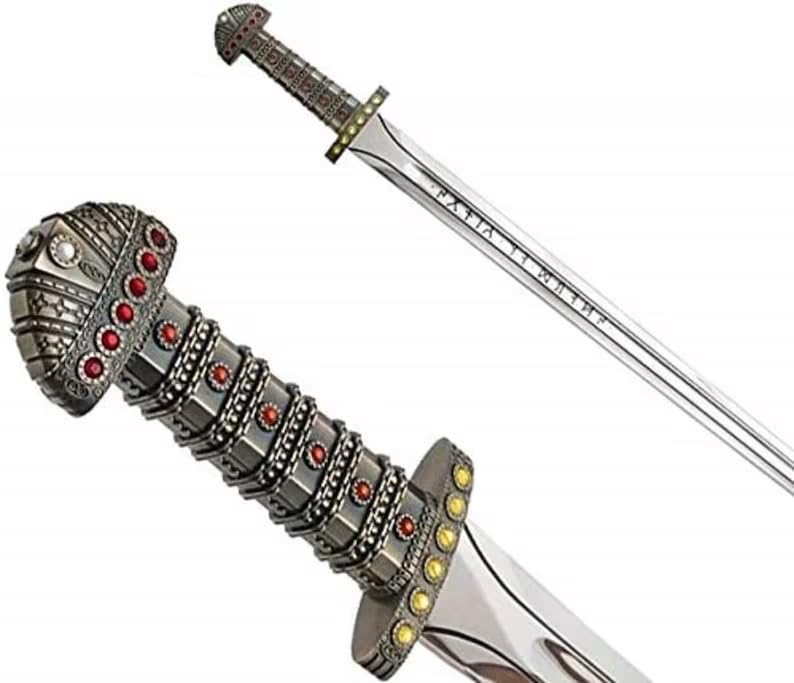
A handmade samurai sword represents much more than a blade. It combines steel, forging, shaping, heat treatment, polishing, fittings, and careful finishing. But modern handmade swords are not limited to Japanese-inspired designs. Collectors and enthusiasts can also find Viking swords, replica swords, display swords, and other handmade swords created around historical and decorative styles.
Understanding how a sword is made can help you recognize the difference between a carefully crafted piece and a mass-produced product.
What Makes a Sword Handmade?
A handmade sword involves significant manual craftsmanship during its production. Depending on the maker and design, this can include steel preparation, forging, shaping, heat treatment, grinding, polishing, fitting, and final inspection.
The term handmade swords should not automatically be treated as a guarantee of quality. The materials, construction, workmanship, and intended purpose all matter.
How Is a Hand Forged Sword Made?
The production of a hand forged sword begins with heating steel to a workable temperature. The heated metal is then hammered and shaped to establish the basic form of the blade.
The main stages generally include:
Heating: Steel is carefully heated before it can be forged and shaped.
Hammering: Controlled hammering helps establish the blade’s basic dimensions and form.
Shaping: The profile, thickness, curvature, and edge geometry are refined.
Heat Treatment: Heating, hardening, and tempering influence the final characteristics of the steel.
Grinding: Grinding refines the blade’s geometry and removes excess material.
Polishing: The surface is refined to achieve the desired appearance and finish.
Final Finishing: The blade is assembled with its handle, guard, scabbard, and other fittings before final inspection.
This combination of stages is what makes hand forged sword craftsmanship an important part of understanding sword quality.
For a more detailed look at this traditional process, see our guide to How Traditional Sword Craftsmanship Creates Quality.
Different Types of Handmade Swords
One advantage of handmade sword production is the variety of historical and stylistic designs available.
Japanese Swords
Hand forged Japanese swords and katana-inspired designs are among the best-known examples. Their curved blades, traditional styling, fittings, and distinctive appearance make them popular with collectors and martial arts enthusiasts.
Viking Swords
Viking swords offer a very different historical design. Their shape, proportions, and fittings reflect European sword traditions and make them an interesting choice for historical collections and display.
Replica Swords
Replica swords are designed to reproduce the appearance or characteristics of historical and fictional weapons. They can be particularly appealing to collectors who want a sword inspired by a specific historical period or design.
Display and Collector Swords
Some handmade swords are primarily chosen for their appearance, craftsmanship, historical character, or decorative value. Display swords can become distinctive additions to a collection or make memorable gifts for sword enthusiasts.
What Should You Look for in a Quality Handmade Sword?
A quality sword should be evaluated as a complete product rather than by one specification.
Consider the steel, blade geometry, heat treatment, construction, fittings, balance, grinding, polishing, and overall finish.
The intended purpose is equally important. A sword selected for display or collecting may have different requirements from one designed for martial arts practice.
Handmade vs. Mass-Produced Swords
Mass-produced swords generally rely on standardized manufacturing methods, while handmade swords involve greater individual craftsmanship.
However, handmade does not automatically mean superior. A sword’s actual quality depends on the manufacturer’s materials, techniques, construction, and finishing standards.
Choosing the Right Sword
The best choice depends on what you want from the sword.
For collecting, craftsmanship, historical design, steel, fittings, and finish may be priorities.
For display, visual character, style, and presentation can be more important.
For gifting, a distinctive Viking sword, Japanese-style sword, or historical replica can offer a memorable option for someone interested in swords and history.
For martial arts, dimensions, balance, construction, and suitability for the specific discipline should be carefully considered.
Final Thoughts
From heating and hammering to shaping, grinding, polishing, and final finishing, the creation of a handmade sword involves multiple stages of craftsmanship. Whether you are interested in handmade samurai swords, hand forged Japanese swords, Viking swords, replica swords, or display pieces, understanding the manufacturing process helps you make a more informed choice.
A well-crafted sword is not defined by appearance alone. Steel, craftsmanship, construction, finishing, and intended purpose all contribute to the final piece.
This approach also makes it easier to appreciate the difference between a decorative replica, a collector’s piece, and a carefully crafted handmade sword.
Explore Handmade Swords
Discover handcrafted swords inspired by historic designs and traditional craftsmanship. Explore our collection of handmade swords, Viking swords, and Japanese-style swords to find a piece that fits your collection, display, or gifting needs.
Explore Our Handmade Sword Collection →
One thought on “Handmade Samurai Swords: A Complete Guide to Sword Craftsmanship, Types & What to Look For”