



What Makes Handmade Damascus Steel Swords Different? Battle Ready Swords Explained

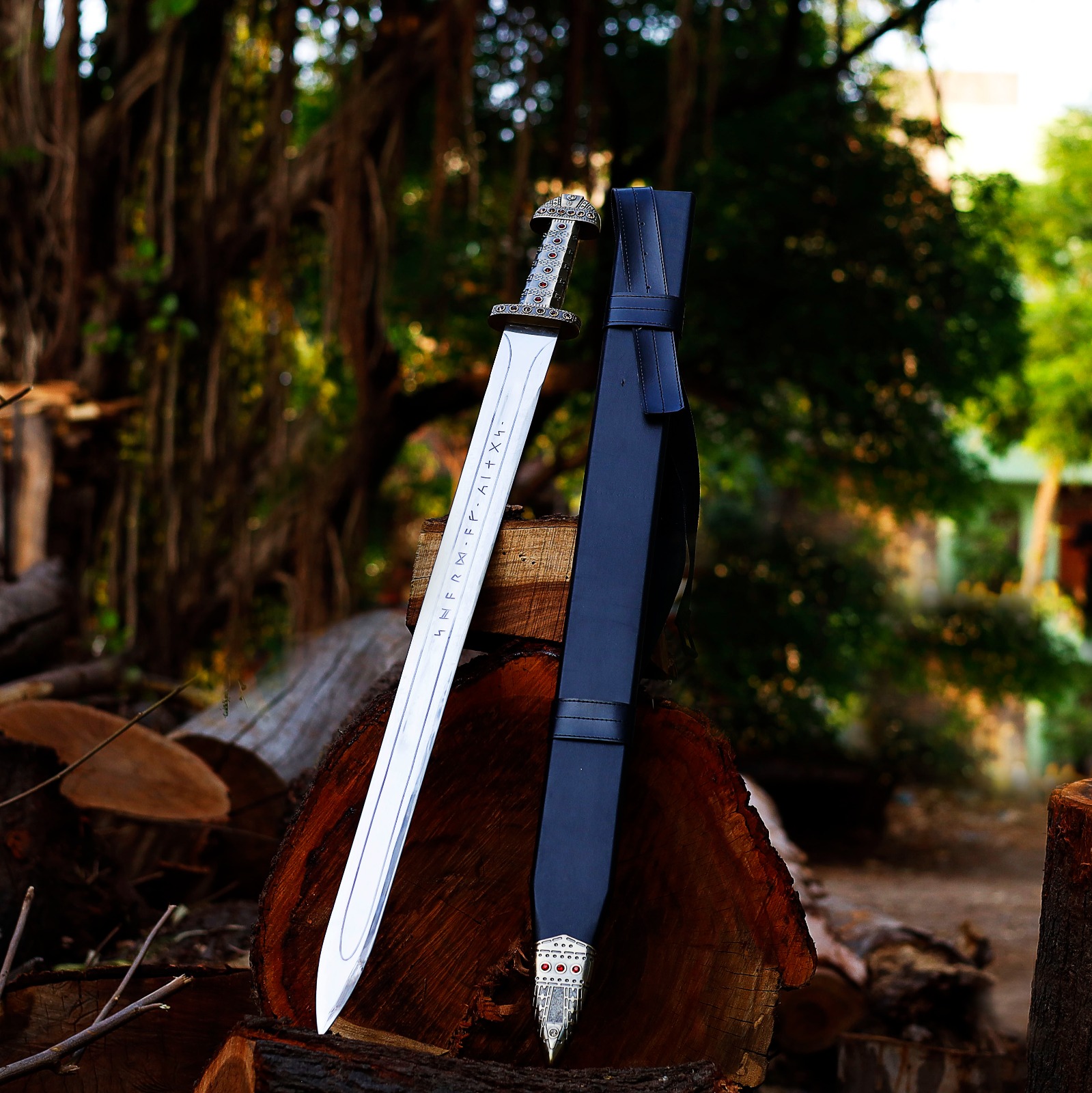
A sword can be visually impressive, but what separates a quality blade from an ordinary decorative replica is the combination of steel, heat treatment, geometry, craftsmanship, and finishing. This is especially true when choosing a handmade damascus steel battle ready sword, where the appearance of the steel is only one part of the finished product.
Damascus steel has long been associated with distinctive patterns, skilled metalworking, and handcrafted blades. Modern makers continue to use specialized forging techniques to create swords that combine traditional aesthetics with carefully controlled construction.
What Is a Damascus Steel Sword?
A damascus steel sword is generally recognized by its characteristic layered or patterned appearance. Traditionally, Damascus-related steelmaking involved complex methods of forging and working steel, while modern Damascus blades are often produced by forge-welding different steels and manipulating them through repeated forging.
The result can be a striking pattern across the blade. However, the visual pattern alone does not determine whether a sword is high quality. A properly made handmade damascus sword also requires attention to the steel composition, forging process, heat treatment, blade geometry, balance, and finishing.
How Is a Handmade Damascus Sword Made?
The production of a hand forged damascus sword begins long before the final polish.
1. Selecting and Preparing the Steel
The maker begins by selecting appropriate steels and preparing them for forging. Different steels can provide complementary characteristics when combined correctly, making material selection an important part of the process.
2. Forging and Welding
The prepared steels are heated and worked under controlled conditions. Through forging and welding, the materials can become a unified billet. This stage requires experience because temperature, pressure, and material behavior all influence the finished result.
3. Developing the Damascus Pattern
The billet can be manipulated through forging, drawing, cutting, folding, or twisting techniques depending on the desired pattern. The goal is not simply to create decoration but to produce a consistent structure suitable for the intended blade.
4. Shaping the Blade
Once the material is prepared, the smith establishes the sword’s overall profile and geometry. Historical sword reproduction requires particular attention to dimensions, cross-section, weight, and balance because these characteristics influence how the finished sword feels in the hand.
5. Heat Treatment
Heat treatment is one of the most important stages of sword production. Proper heating, quenching, and tempering can significantly influence the hardness and toughness of the finished blade. A beautifully patterned blade still requires appropriate treatment if it is intended to be a functional battle ready sword.
6. Grinding and Finishing
After forging and heat treatment, the blade is refined through grinding and finishing. This process helps establish the final geometry while removing forging imperfections and preparing the surface for polishing.
For Damascus steel, polishing is particularly important because it reveals the contrast between the different steels and brings the characteristic pattern to the surface.
What Makes Battle Ready Swords Different?
The term battle ready sword should not simply mean that a sword looks historically accurate or has an attractive Damascus pattern. A functional sword requires construction appropriate to its intended use, including suitable blade geometry, structural integrity, secure assembly, and appropriate heat treatment.
For historical reproductions, these considerations are especially important. A sword inspired by an original museum piece should reflect the original’s proportions, weight distribution, and overall geometry rather than being designed purely as a display object.
This philosophy is reflected in the work of specialist sword makers who study historical examples, museum collections, and private collections before developing their reproductions. Darksword Armory, for example, describes its approach as individually forging swords using traditional hammer-and-anvil techniques while researching historical dimensions, geometry, balance, and handling.
Handmade vs. Decorative Damascus Swords
Not every Damascus-pattern sword is a functional sword. Some products are created primarily for decoration and collecting, while others are designed around functional construction.
When evaluating damascus steel swords, look beyond the pattern on the blade. Consider:
- The type and quality of steel
- How the blade was forged
- Heat treatment and tempering
- Blade geometry and construction
- Tang and handle assembly
- Overall balance and weight
- Quality of grinding and polishing
- Whether the sword is intended for display, collection, training, or functional use
These factors provide a much better indication of craftsmanship than the Damascus pattern alone.
Why Craftsmanship Matters
A genuinely handmade damascus sword represents many stages of skilled work. Forging creates the foundation, heat treatment establishes important material properties, grinding refines the geometry, and polishing reveals the finished character of the steel.
This is why handmade swords can differ significantly from mass-produced replicas. Experienced craftsmen can pay closer attention to historical proportions, individual blade characteristics, finishing details, and the relationship between the blade and its fittings.
For collectors and enthusiasts, that combination of traditional craftsmanship and careful modern production is often what makes a Damascus sword particularly appealing.
Choosing a Handmade Damascus Steel Battle Ready Sword
If you are looking for a handmade damascus steel battle ready sword, focus on the complete construction rather than purchasing based only on appearance. A strong Damascus pattern is attractive, but the quality of the steel, forging, heat treatment, geometry, assembly, and finishing ultimately determine the character of the finished sword.
A well-crafted sword brings these elements together into one cohesive piece: distinctive steel, historically informed proportions, skilled workmanship, and careful finishing.
Handmade damascus steel battle ready swords therefore stand apart not simply because of their patterned blades, but because of the craftsmanship behind every stage of their creation. From the first forging process to the final polish, each step contributes to a sword that can represent both the artistry of traditional bladesmithing and the attention to detail expected from a modern handcrafted piece.
Looking for a Handmade Damascus Steel Battle Ready Sword?
Explore WazirCraftsHandmade’s collection of handmade Damascus steel battle ready swords, crafted with attention to steel, forging, construction, and finishing. Whether you’re looking for a distinctive sword for your collection or want to discuss a custom piece, our team can help you find the right option.
Ready to explore your options?