



Hand Forged Samurai Swords: How Traditional Sword Craftsmanship Creates Quality

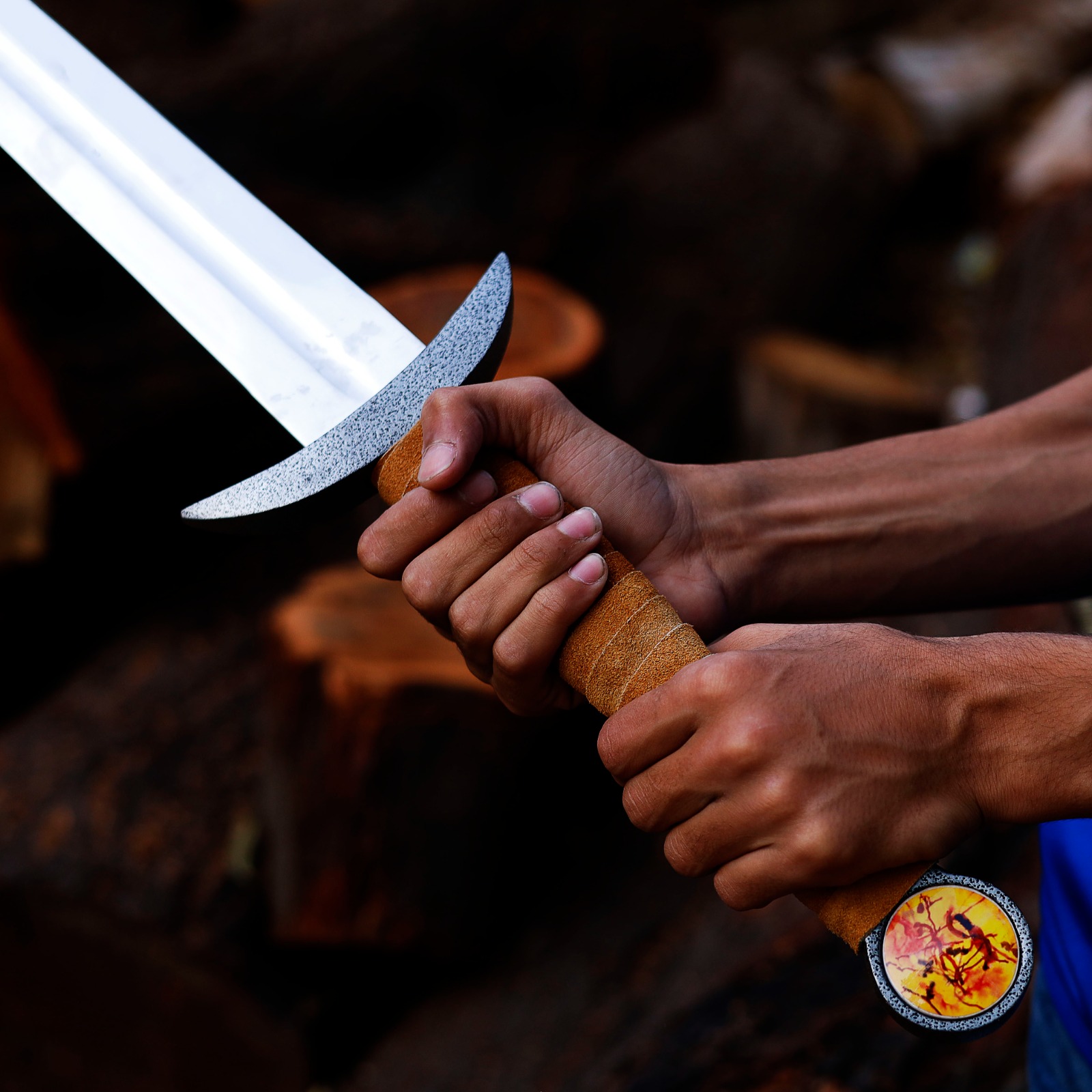
A quality sword is not created by simply shaping a piece of steel into a blade. Traditional sword making is a detailed process in which heat, force, shaping, grinding, polishing, and finishing all contribute to the final result. For collectors and martial arts practitioners interested in hand forged samurai swords, understanding this process helps explain why craftsmanship matters.
At Katanamart, the production of YariNoHanzo katana swords combines traditional-inspired craftsmanship with careful quality control. Each blade is hand forged and hand polished by experienced craftsmen, while the finished swords are assembled using carefully selected materials and fittings.
What Makes a Hand Forged Sword Different?
A hand forged sword is shaped through controlled heating and mechanical work rather than simply being produced through a basic manufacturing process. The craftsman’s work begins with the steel and continues through multiple stages until the blade reaches its intended form.
For hand forged Japanese swords, the process is particularly important because the blade’s shape, balance, finish, and overall construction must work together.
1. Forging the Blade
The process begins with forging. Steel is heated to a workable temperature before the craftsman begins shaping it. Controlled forging allows the material to be gradually transformed into the basic form of the sword.
This stage requires experience because the craftsman must work carefully with the heated steel while maintaining the intended dimensions and structure of the blade.
2. Heating and Hammering
Heating makes the steel workable, while hammering helps shape it. The craftsman repeatedly heats and works the material, gradually bringing the blade closer to its desired profile.
The rhythm between heating and hammering is an important part of hand forged sword craftsmanship. Too little control can affect the shape, while careful work allows the blade to develop consistently.
3. Shaping the Blade
Once the basic forged form has been established, the blade is refined into its intended geometry. This includes establishing the profile, edge area, spine, and other characteristics that define the sword.
For a katana, proportions and balance are especially important. A sword is not simply judged by appearance. Its construction should complement its intended use, whether for martial arts practice, collection, or display.
4. Grinding and Refinement
After forging and shaping, grinding is used to refine the blade. Excess material can be removed and the blade’s surfaces can be brought closer to their final dimensions.
This stage requires precision because grinding influences the appearance and geometry of the finished blade. Careful refinement helps create the clean lines associated with quality handmade samurai swords.
5. Polishing
Polishing is another essential stage of sword craftsmanship. A properly polished blade reveals its shape and surface characteristics while giving the sword its refined appearance.
Katanamart states that its YariNoHanzo blades are hand polished by expert craftsmen. This combination of hand forging and hand polishing contributes to the character of its handmade swords.
Polishing is not simply about making the blade shiny. It is part of the finishing process that brings together the work completed during forging, shaping, and grinding.
6. Final Finishing and Assembly
The final stage brings the blade and its fittings together. Katanamart explains that its katana swords use quality materials for the Koshirae and are carefully assembled to help prevent deterioration during long-term use.
The finished katana can include components such as the handle, wrapping, guard, and scabbard, depending on the specific model. Proper assembly contributes to the sword’s overall balance, appearance, and practicality.
Why Craftsmanship Matters
The quality of a sword depends on more than the steel used to make its blade. Forging, shaping, grinding, polishing, and assembly all influence the finished product.
This is why hand forged samurai swords can attract collectors and martial arts practitioners who appreciate the craftsmanship behind each stage. At Katanamart, the YariNoHanzo range includes different styles and finishes, from Basic and Practical Katana Swords to Damascus, Performance, Special, and Superior Katana Swords.
The company describes its katana swords as full tang and designed for martial arts practice, with different models offering different finishes, measurements, and styles.
From Forging to the Finished Sword
The journey from heated steel to a completed katana involves many carefully connected stages. Forging establishes the foundation, heating and hammering shape the material, grinding refines the geometry, polishing reveals the finished surface, and final finishing brings the complete sword together.
Understanding these stages makes it easier to appreciate why traditional sword craftsmanship remains an important part of the appeal of hand forged Japanese swords. A finished katana represents the combined work of material selection, skilled craftsmanship, detailed finishing, and careful assembly.
For those interested in exploring the craftsmanship behind Japanese swords further, this process provides a useful foundation before examining the different types, construction details, and characteristics of handmade katana swords.
How to Forge a Traditional Samurai Sword